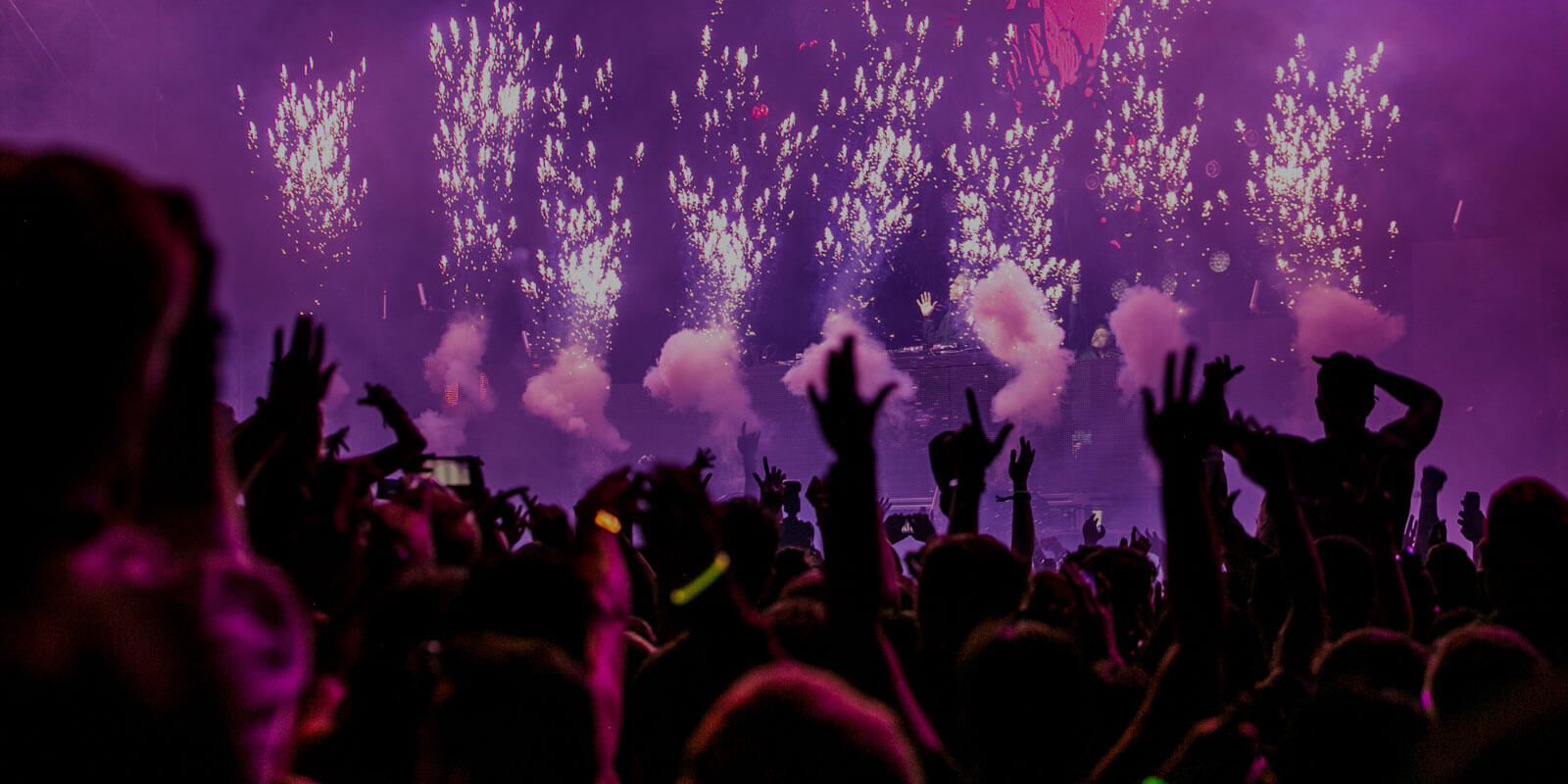
In 2022, I performed in the first-ever Interreligious Credo concert, where this concept was introduced. This was also my first concert in Germany, and I approached it with some hesitation, navigating both a new environment and an unfamiliar musical setting.
For this performance, I chose a simpler piece. I was asked to sing in C, whereas my usual pitch is A, so I selected something that would remain within a comfortable range (not exceeding Pa). Working within these constraints shaped my choices more than usual. At the time, Bhageshree was a raga I was deeply drawn to, so I worked with Sagara Shayana Vibho (inspired largely by Agam’s version) and developed my own variations around it. The process felt like finding small pockets of familiarity within a new framework.
The video below begins at my solo, followed by contributions from Buddhist, Islamic, and Jewish musical traditions. The full concert is available to listen to.
This concert was also my first experience performing with an orchestra. Adjusting to that setting—listening, adapting, and finding space within a larger sound—was a learning experience in itself.
In 2024, an additional piece titled Agnus Dei was introduced. For this, Marcus Schinkel shared a base track inspired in part by Ravi Shankar’s musical ideas and asked me to compose over it.
My first attempt was a completely new composition in Kalyana Vasantham. I spent time building it from scratch, but it did not align with his expectations. That phase involved a certain amount of rethinking and letting go, which is often part of collaboration but never entirely easy.
Around the same time, I had posted Ninnu Kori (Mohanam varnam) on Instagram. Marcus adapted this into Suddha Dhanyasi and suggested I create something in that direction, set to a 3/4 rhythm. Initially, it felt unfamiliar and slightly counterintuitive—especially translating ideas into a structure I hadn’t worked with before.
Since I was not familiar with an existing composition in Suddha Dhanyasi set to that structure, I adapted Narayana Ninna—originally in a 5-beat cycle—into a 3/4 framework. This required some experimentation, but gradually the phrasing began to settle into place, and the piece found its own coherence within the constraints.
I also incorporated konnakol elements, almost spontaneously, drawing from a recent practice session. That moment felt less deliberate and more instinctive—an instance where the process became more fluid.
Recordings from the final concerts will be made available soon.
This note was written in response to a request to document the process and context behind these performances.
Leave a Reply